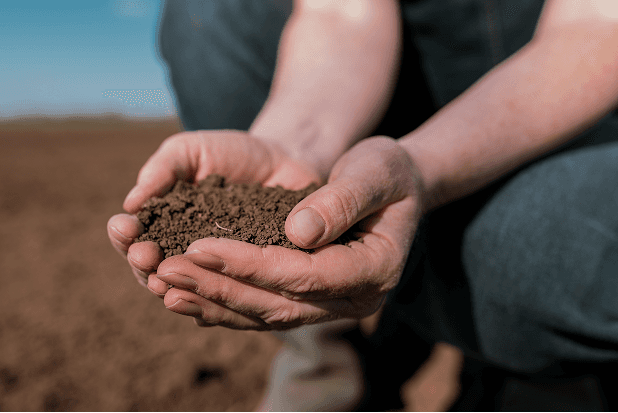
Your soil can do more.

Improving the health of your land doesn't just strengthen your operation.

It can lower your costs, improve your yields, build resilience against drought and floods and become a verifiable income stream.

Whether you're starting your regenerative transition or have practised it for decades, Radica turns the results of your farming into measurable, verifiable climate assets.

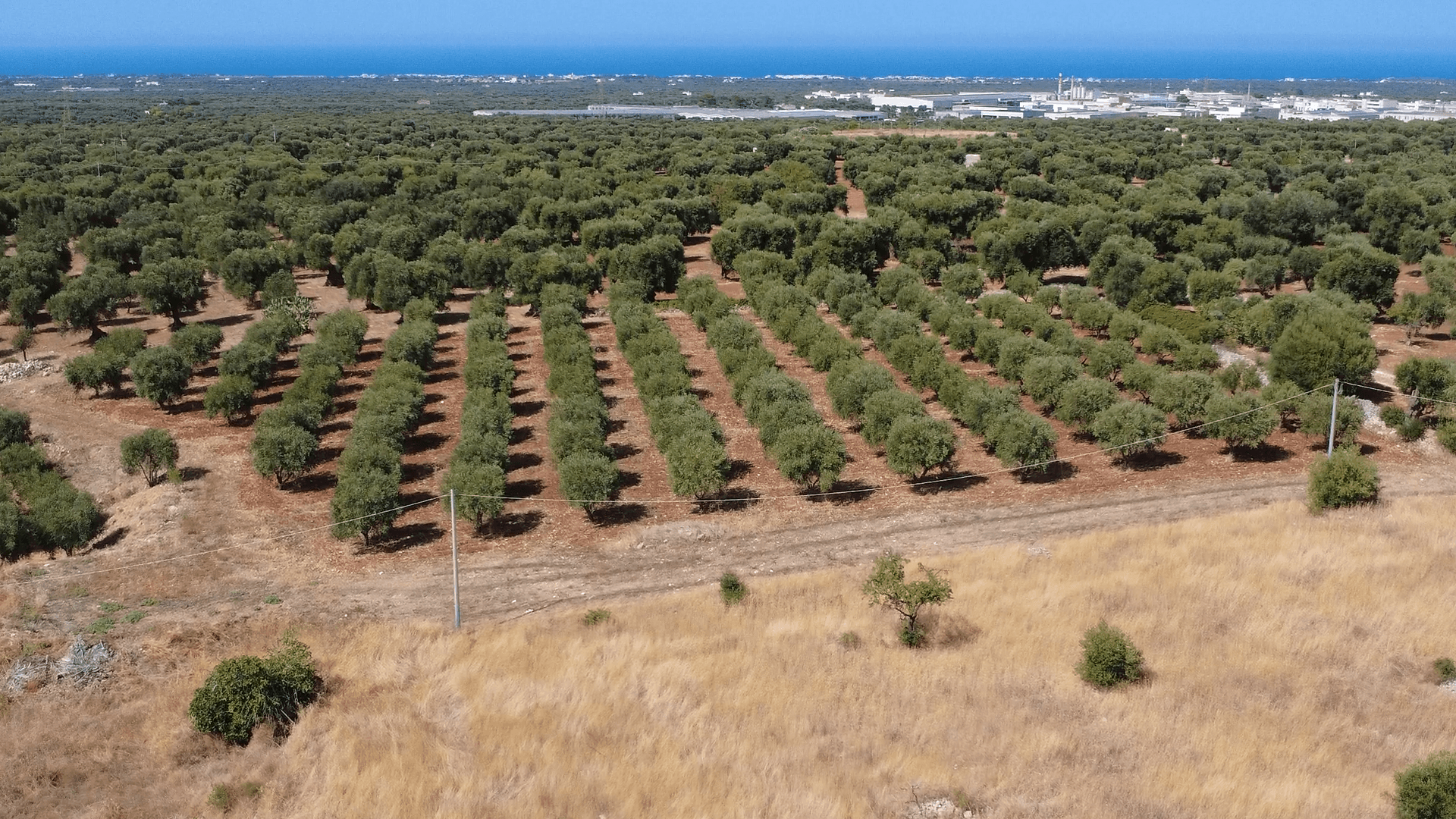
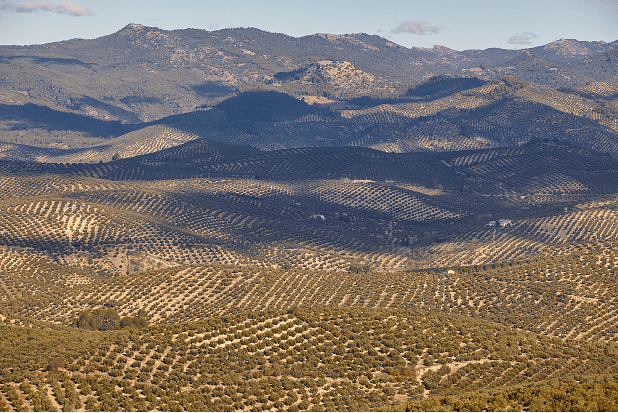
Olive field

The context

Farming is under pressure. Drought, floods, rising costs, regulatory demands, demanding buyers. The pressure is structural now — margins shrink and expectations rise with every season.

But there is still one decisive asset that can deliver more for you: your soil.

Our proposition

Regenerate your soil with economic and agronomic logic.

We make sure the regenerative work you do, whether new or already established, has:

1
Rigorous measurement.
2
Formal recognition.
3
Lower input costs and improved yields over time.
4
Additional economic value through climate assets.
5
Resilience for your operation against climate and market shocks.
1
Rigorous measurement.
2
Formal recognition.
3
Lower input costs and improved yields over time.
4
Additional economic value through climate assets.
5
Resilience for your operation against climate and market shocks.

How it works

A clear process from your plot to the value generated.

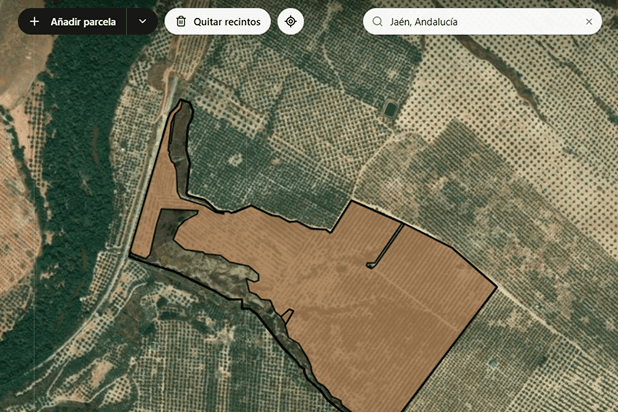
01) Locate your plot

On our platform you select the plots you want to add to the programme across permanent woody crops (olive, almond, vineyard, citrus) and row crops (wheat, tomato, durum).

01) Locate your plot

02) Choose the practices that fit your farm

From nine regenerative practices, you choose the ones that match your farm's reality, with agronomic guidance from our team. If you already practise regenerative agriculture, your existing practices count toward the programme.

02) Choose the practices that fit your farm

03) We measure results

We measure soil organic carbon, carbon intensity, water retention, and functional improvement of the soil annually, against a baseline tailored to your plot and to your regional peers.

03) We measure results

04) We generate climate assets

Depending on the buyer, your results become Environmental Attribute Certificates demonstrated against a company's Scope 3 inventory, primary data delivered to a company's sustainability reporting team, or carbon credits sold into the voluntary market. Three buyer channels, not one, so payment doesn't depend on a single market clearing.

04) We generate climate assets

05) Sale and payment

Once the assets are sold, payments flow back to the producers who generated them.

05) Sale and payment

Benefits and co-benefits

Your transformation stops being invisible.

Resilience

Healthier, deeper-rooted soils that handle drought, flood, and other stress better.

Lower input costs

Reduced reliance on synthetic fertiliser, improved water retention, healthier soil biology — all of which cut input costs over the medium term.

Better agronomic performance

Soil that holds more water and supports more biological activity tends to deliver more stable yields, particularly under climate stress.

Continuity

A more solid productive infrastructure for the long term — and longer-term contracts with buyers who value verified regenerative production.

Profitability

An additional, recognised income stream from the regenerative work you already do or are about to start.

Recognition

Your production positions itself differently with increasingly demanding buyers — and is ready for the regulatory environment that is coming.

Frequently Asked Questions

Producers

Why Radica?

Because joining the programme makes you part of a network of producers, supply chain partners, and companies operating under a single methodological framework with the technical execution, registry access, and buyer relationships that make your work commercially recognised.

Do I have to change the way I work?

No. You choose which practices apply to your farm with our agronomic guidance. If you already practise regenerative agriculture, your existing work counts. If you're starting out, you choose the practices that suit your farm's reality.

How long until I see results?

Soil improvement is gradual. Measurement cycles run annually. From practice implementation through to asset generation and payment, the average timeframe is around 18 months. Cost and yield improvements typically appear earlier than carbon revenue.

Is there economic risk for me?

There are two ways to participate. With an upfront contribution per hectare, you secure a higher return when the asset is sold. Without an upfront contribution, you can still join and receive a smaller share at settlement. Either way, Radica handles methodology, MRV, registry, and buyer relationships.

Who buys what we generate?

Three types of buyer. Companies sourcing Mediterranean ingredients buy Environmental Attribute Certificates to reduce their Scope 3 emissions. Companies subject to CSRD or building SBTi FLAG inventories buy primary data on the agricultural inputs in their supply chain. Companies and other organisations pursuing Beyond Value Chain Mitigation or voluntary net-zero commitments buy verified carbon credits. Your work feeds all three.

The change that begins at the root

Lower costs, better yields, more resilience and verifiable climate assets on top.

I want to join the programmeSpeak with the technical team